Who should speak? The citizens of Friendswood? An esteemed
Institution? Why?
When is it permissible to dissent?
Often times people are paralyzed by
fear to think or act differently from the majority. It takes courage to speak
out about the matters one believes in or the people one cares about when no one
agrees with them. However, being vocal
about cases of poison in a community, rape, or any other serious matter is
essential and need to be brought to light by those willing to be the voice of
reason and truth.
In the case of Friendswood, it is the job of
those who know the truth to speak out. It is out rightly the responsibility of
the EPA to speak out on the toxins that have infiltrated into the community.
But who will speak out when those in power do not protect the powerless? It
then becomes the job of the victim to assure that they are heard. In the small
town of Friendswood, the knowledge of birth defects and chance of contamination
is known by members of the community, but most choose not to speak out. Lee is
the dissenting voice who is willing to sacrifice herself for the truth. Lee has no support and is the only one in town
who refuses to believe the EPA’s reports and also act on her beliefs-- she is
attempting to tell her truth.
In comparison, East Chicago
residents have a similar plight, as their soil has been infected with lead.
According to The New York Times article by Abby Goodnough, “the homes in this
area are north of a huge former U.S.S Lead smelting plant”, however the
residents were not notified of the severity of the contaminated soil until this
July. Although the EPA took measures to test and remove soil from the nearby plant
and neighborhood and did find “hot spots”, it took them several years to
actually begin to take action, all while residents were left blind. The mayor
ultimately decided to dismantle the complex and move residents out. In this situation the EPA failed the people of
this community. The mayor, however, presented with the facts, made the decision
based on his belief of the truth. It is up to everyone to live by their truth
regardless of what the majority or those superior to you have to say.
In the same fashion, the Stanford
rape victim told her truth regarding her attacker. When she woke in a hospital
bed to bruises and doctors, she had limited facts and knowledge of what
happened to her the night before, as she was intoxicated. According to the
BuzzFeed article by Katie J.M. Baker, the victim was rescued by two graduate
students. Those two students had an obligation to themselves to save the victim
and chase down the attacker. They had an obligation to tell the truth.
Identically, the victim also had to fight years to even prove her assault to be
valid. Even when the institution did not speak out in support of the case and the
defendant attempted to invalidate her claims because she was intoxicated, she
insisted on keeping her case alive. The victim had to be persistent in order to be heard.
Ultimately, everyone has the duty
to not shy away from what they believe is the truth. Even when not many people
agree, it takes a dissenting voice to create change. In all three of these cases, speaking out
against the majority was necessary for smaller voices to be heard and
uncovering the truth.

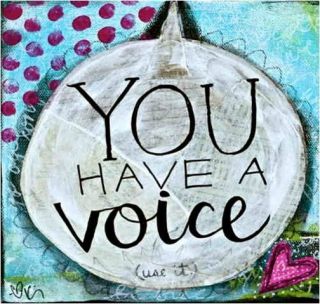
You did a great job of clearly explaining who should speak. Your support from all three sources is effective in backing up your argument. The connections that you made between the sources were easy to understand. The picture that you included relates well to the overall message that you are conyeving in the post. Looking at the bigger picture, do you believe that dissent/speaking out is necessary for a democracy as a whole to function effectively?
ReplyDeleteYes, I would say that dissenting is the very base of a democracy. Without those willing to speak out, the lives of those in a democratic country, like America, are left in the hands of a select few.
DeleteCarolyn, interesting question. What made you ask this?
ReplyDeleteChika, you've done an excellent job of getting your ideas down. Where in your essay, however, can you include specific detail from the articles to develop your point that "speaking out against the majority [is] necessary for smaller voices to be heard and uncovering the truth." Where could you have used examples in your post from Friendswood, New York Times, BuzzFeed?
--Prof. Young